
Travel planning
Bangkok to Chiang Mai Travel Guide
How to travel from Bangkok to Chiang Mai by train, bus, flight, or car, and how this route fits into a wider Thailand trip.
Updated 21 October 2026
Bangkok to Chiang Mai is one of Thailand’s classic long-distance journeys. It is the route most visitors use when they arrive in Bangkok first, then continue north for temples, food, mountains, and a slower pace. You can fly, take the train, use a long-distance bus, or drive. Each choice changes the journey itself, not only the arrival time.
This guide focuses on travelling north from Bangkok. Chiang Mai is also well connected to other Thai cities and to international airports, so it is not the only way in. Travellers coming from places such as Phuket, Krabi, Chiang Rai, or abroad may find a direct flight or a different overland route more useful. For the Bangkok route, use the sections below to balance your budget, available time, and the kind of journey you want.
Quick comparison
| Mode | Typical journey | Best for |
|---|---|---|
| Flight | Short flight, plus airport time | Speed and tight schedules |
| Overnight train | A full night on board | A comfortable travel experience and saving a hotel night |
| Day train | Most of the day | Seeing Thailand’s scenery at a slower pace |
| Bus | Usually an overnight or long daytime trip | Direct travel and value |
| Private car | A full driving day | Flexibility, groups, and luggage |
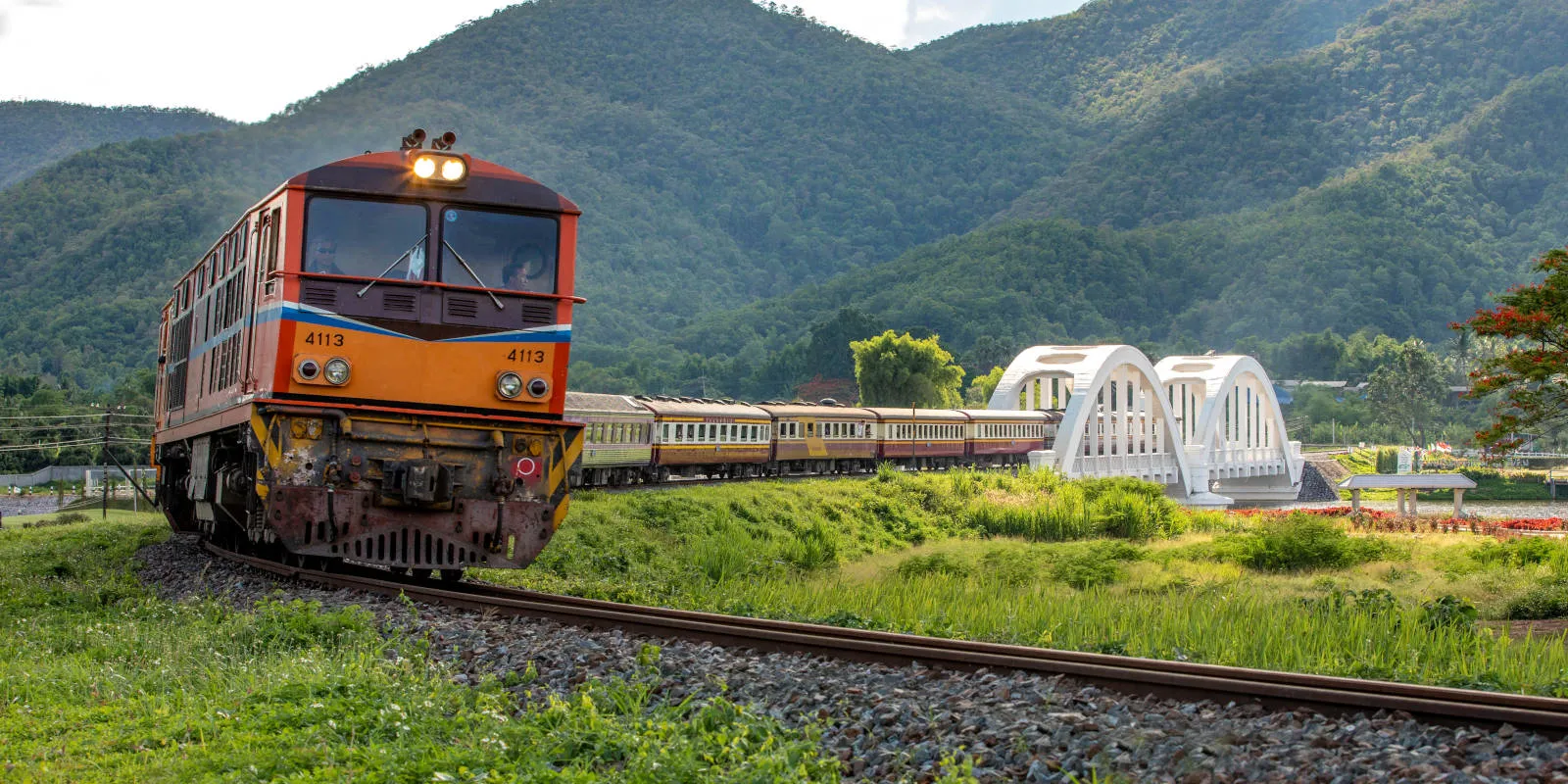
The train is more than transport. A day service lets you watch the countryside change between Bangkok and the north, while third class is a very cheap, local way to travel when you do not need extra comfort. Read Train Travel in Thailand for a fuller look at classes, stations, and the rail network.
You can also check the Bangkok to Chiang Mai train timetable further down this page.
Flight
Airlines: Thai Airways, Bangkok Airways, Thai AirAsia, Thai Vietjet, Nok Air.
Airports: Don Mueang (DMK) or Suvarnabhumi (BKK) → Chiang Mai (CNX).
Tips:
- Compare both Bangkok airports before booking, then include transfer time from your hotel.
- Low-cost carriers often charge extra for checked baggage and seat selection.
- Arrange your onward trip from Chiang Mai airport before a late arrival.
Overnight train (recommended for experience)
Classes:
- First class: Private sleeping compartments on eligible services. Confirm bedding and meal arrangements when you book.
- Second class: Open sleeping carriages or seats, depending on the train. A lower berth is usually the easier choice for sleep.
- Third class: Seats only. Better suited to shorter daytime journeys than an overnight ride.
Booking:
- Check the State Railway of Thailand timetable and booking window before making plans.
- Book lower berth for easier sleep; upper is cheaper and more private.
- Bring passport details for reservation.
On board: Food, bedding, toilets and power outlets vary by carriage and class.
Arrival: Chiang Mai station is east of the Old City. A local red songthaew (shared pickup truck), tuk-tuk, taxi, or app-booked car can take you onward.
Day train and third class
Day services give you rice fields, rivers, small stations, and mountain scenery that you miss from a plane or overnight carriage. They suit travellers who see the journey as part of the trip and do not need to arrive early.
Third class is particularly cheap and feels more local, with open windows and simple seats. It gives a daytime journey a close-up feel of the changing countryside, while second class adds air-conditioning and more comfort when available.
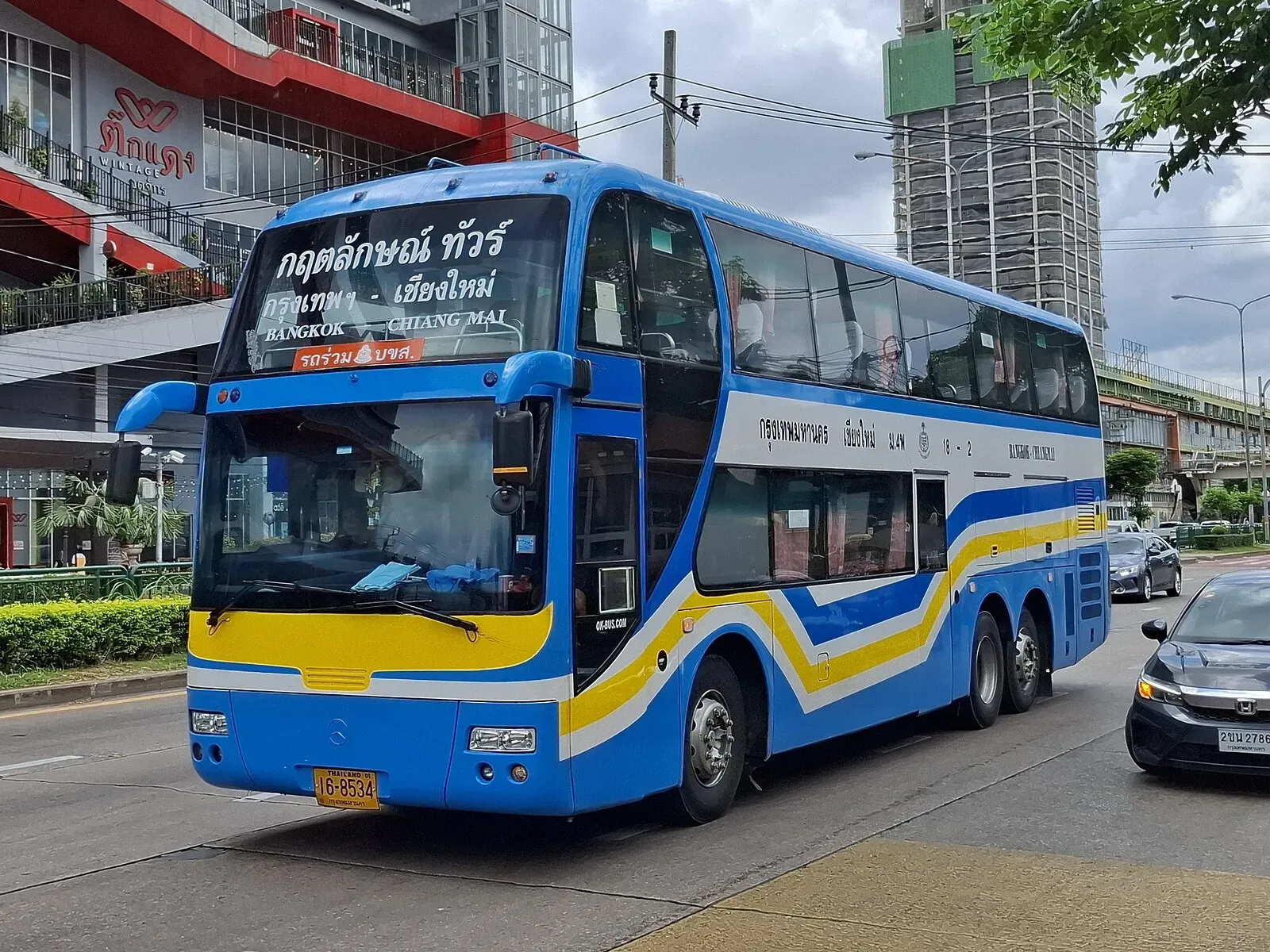
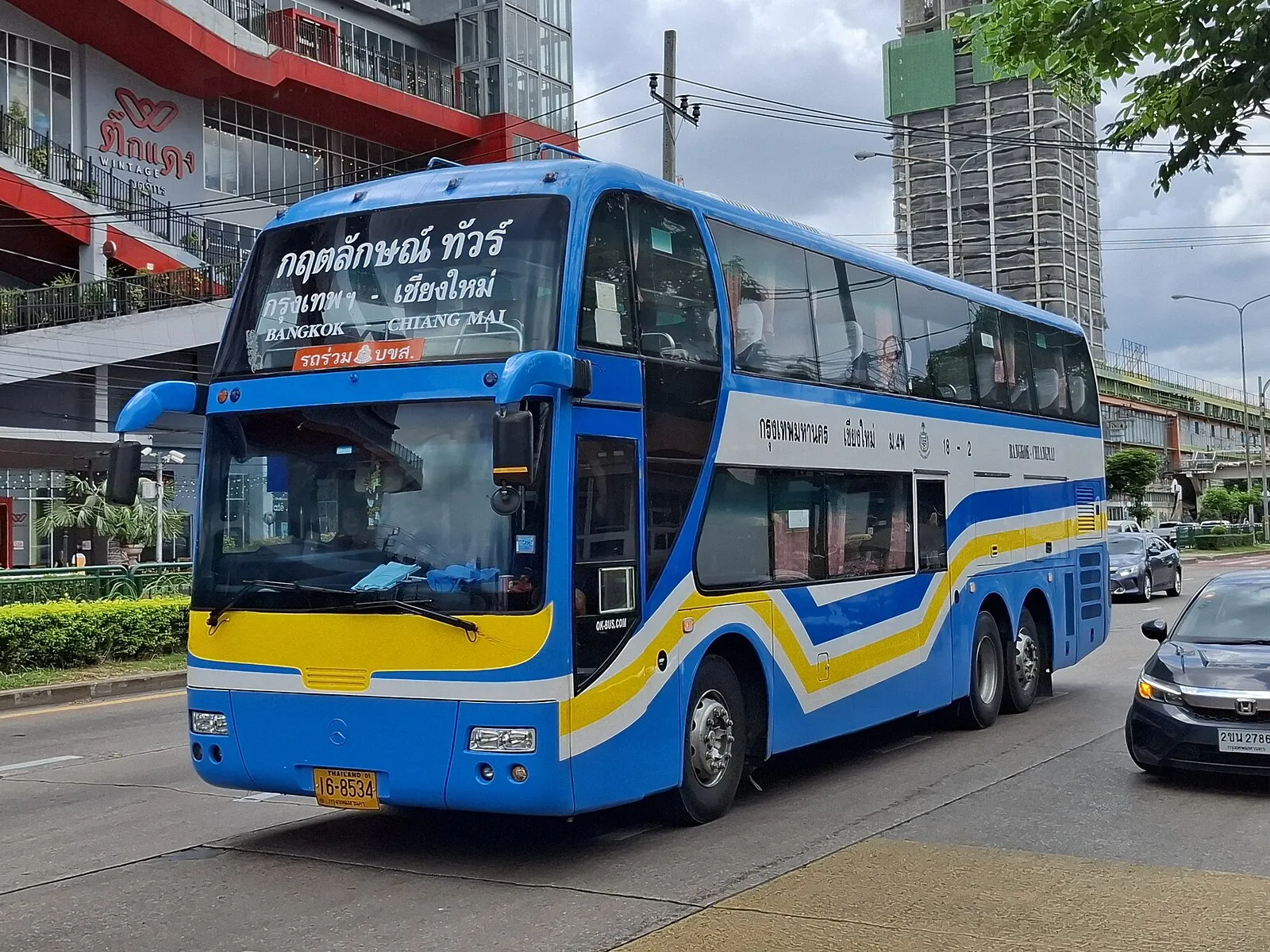
VIP bus
Departures: Check the operator’s current departure terminal in Bangkok and arrival terminal in Chiang Mai. These details can change and are worth confirming before you leave for the station.
Classes: Compare the seat layout, luggage allowance, overnight comfort, and onboard facilities. Names such as VIP do not always mean the same thing between operators.
Booking: You can buy a ticket at the station counter, but booking ahead gives more certainty when you have fixed travel dates. Sombat Tour is a reliable local option for intercity bus travel in Thailand and lets you arrange tickets before travelling to the terminal. Keep the confirmation on your phone and arrive early enough to find the correct platform or bay.
Arrival: Have a ride-hailing app ready or agree a price before entering a songthaew or tuk-tuk.
Private car / rental
Route: Use a current navigation app and allow a full day including rests. Roadworks, weather, and traffic can change the best route.
Stops: Lampang is a useful break point if you want a meal, coffee, or a temple visit before the final stretch north.
Cost: Read the total rental, insurance excess, fuel policy, mileage allowance, and any one-way fee carefully before you pay.
Driving: Thai traffic drives on the left. International Driving Permit required. Night driving not recommended for unfamiliar drivers.
If you prefer to rent a car after arriving in Chiang Mai, Mai Phare has several local options, including smaller cars and roomier family vehicles. See the car rental options and indicative prices on our rental page.
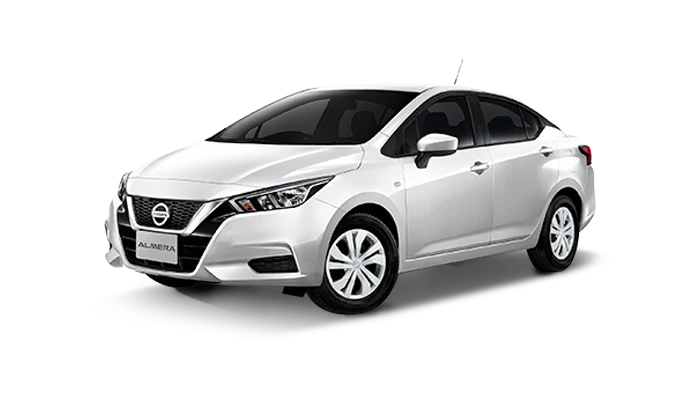
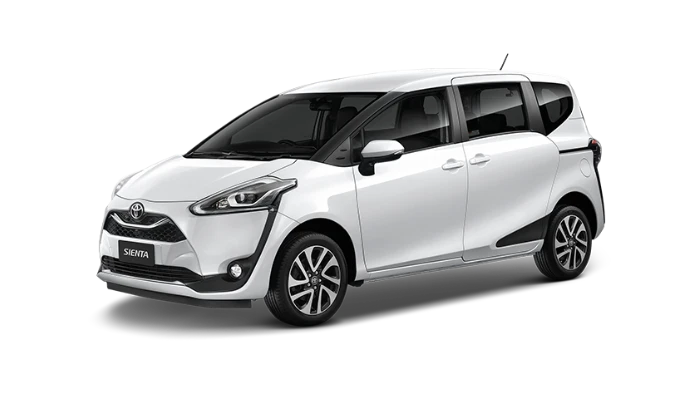
Getting around after arrival
From the airport, railway station, or Arcade bus terminal, you can support local transport by taking a tuk-tuk or one of Chiang Mai’s red songthaews (shared pickup trucks). Grab is another option; inDrive and Maxim also offer app-based rides in Chiang Mai. Compare what is available where you arrive and choose what suits your destination.
Chiang Mai Airport lists city buses and airport shuttles into town, including routes towards the Old City. Routes and operating times can change, so check the current options at the airport. If you are travelling light, walking from the airport or Arcade bus terminal can also be a first look at the city; the distance depends on where you are staying.
Booking checklist
- Flights: Check baggage allowance and airport transfer time.
- Train: Check the timetable, class, booking window, and berth direction before paying.
- Bus: Check the exact departure terminal, seat layout, and luggage policy when choosing your service.
- Car: Confirm insurance, one-way policy, and documentation requirements.
Combining modes
- Fly one way, train the other (popular: train north, fly south).
- Take the train one way and fly the other if you want both the scenery and a faster return.
- Continue from Chiang Mai by car or minivan only after allowing enough time for the onward journey.
Practical tips
- Luggage: Check the current allowance instead of assuming it is included.
- Food: Bus and train food options vary by service and stop.
- Connectivity: 4G works most of the route; train Wi-Fi is unreliable.
- Songkran and Thai public holidays: Book as soon as your dates are firm. Popular services can sell out well ahead.
Choose the mode that fits your budget, time, and travel style. Both train and bus can be memorable parts of the journey north: the train for scenery and a slower rhythm, the bus for direct overnight travel and good value.