

Travel planning
Air Quality in Chiang Mai
A simple guide to Chiang Mai air quality: when haze is most likely, how to read the AQI, and how it can shape your trip.
Published 23 August 2025
Air quality is one of the main things to consider when planning a Chiang Mai trip. For most of the year, you can enjoy the city, mountains, and outdoor days without thinking much about it. From roughly February to April, however, smoke haze can make the air uncomfortable and sometimes poor enough to change how you spend the day.
This guide explains when that haze is most likely, what the AQI number means in everyday terms, and how to plan outdoor time around it. It is especially useful if you have asthma or another respiratory condition, are travelling with children, or want to spend a lot of time hiking, cycling, or riding a motorbike.
The main pollutant is PM2.5: very small particles in the air, often linked to seasonal agricultural burning and still weather that holds smoke over the valley. Check the daily reading rather than relying only on the month, because conditions can change quickly.
Understand the AQI
| AQI range | Level | Meaning for visitors |
|---|---|---|
| 0–50 | Good | Normal outdoor activity |
| 51–100 | Moderate | Sensitive people: limit prolonged exertion |
| 101–150 | Unhealthy for sensitive groups | Children, elderly, respiratory conditions: reduce outdoor time |
| 151–200 | Unhealthy | Everyone: limit outdoor exertion; wear N95/KN95 outdoors |
| 201–300 | Very unhealthy | Avoid outdoor activity; use air purifiers indoors |
| 300+ | Hazardous | Stay indoors; seal windows; run purifiers |
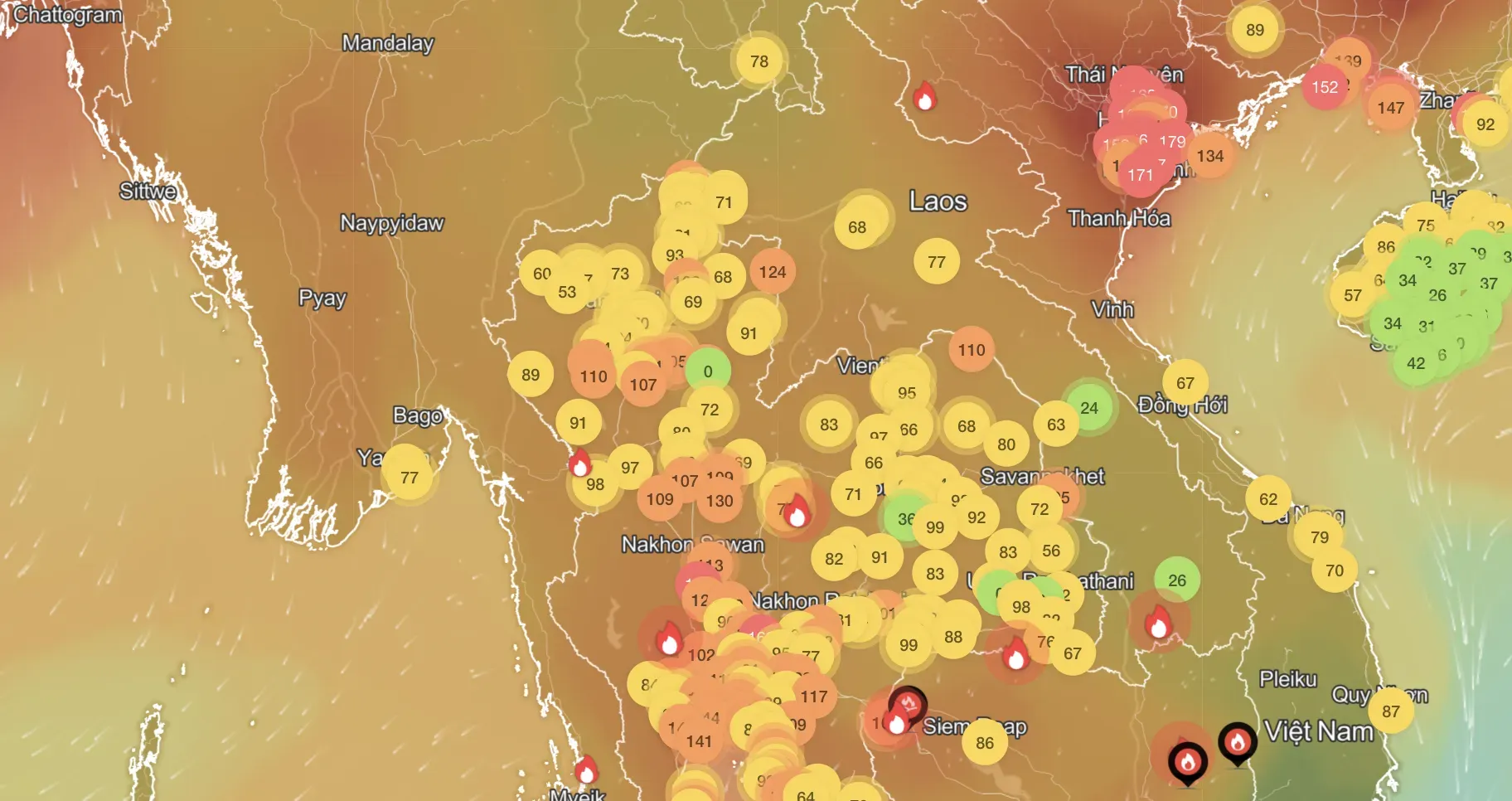
Chiang Mai’s monitor is at the City Hall station; readings are published on the Thai Pollution Control Department site and apps like AirVisual, IQAir, or Windy.
Seasonal pattern
- Nov–Jan: Cool, dry, generally good air (AQI 30–70).
- Feb–Apr: Burning season. AQI frequently 100–200+, peaks can exceed 300. Haze reduces visibility; flights occasionally delayed.
- May–Oct: Rainy season. Rain clears particulates; AQI typically 20–60.
Daily habits during burning season
- Check AQI each morning before planning outdoor activities.
- Keep windows closed when AQI > 100; run an air purifier with a HEPA filter in sleeping areas.
- Wear a well-fitted N95/KN95 mask outdoors when AQI > 150.
- Limit strenuous exercise (running, cycling) when AQI > 100; shift to indoor gyms or early mornings when levels dip.
- Stay hydrated; use saline nasal rinse if irritation occurs.
Indoor spaces and getting around
- Songthaews, the red or yellow shared pickup trucks, tuk-tuks, motorbikes, and walking leave you directly exposed to the air outside. A car can be more comfortable, but recirculated air alone does not make it a clean-air space.
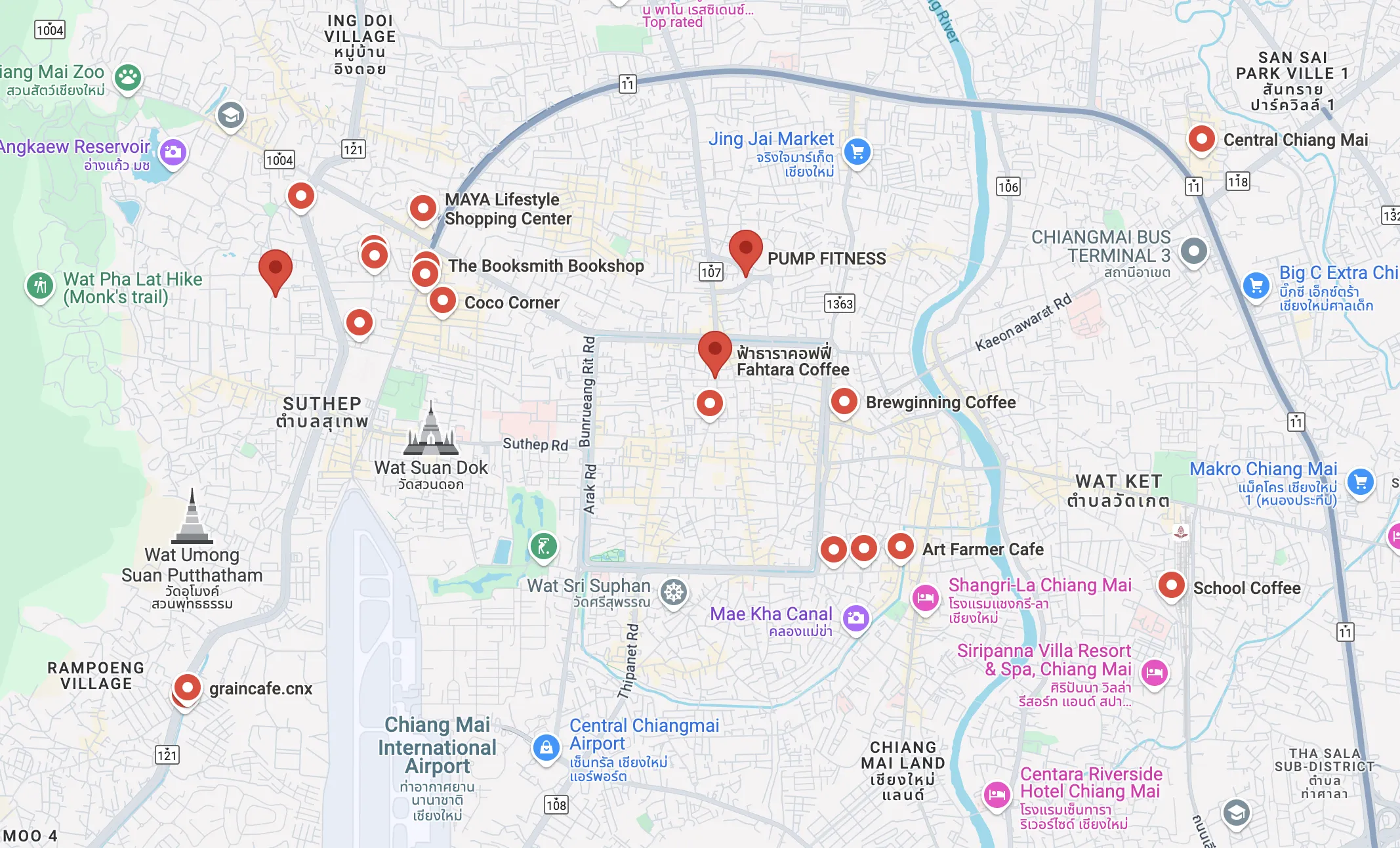
- Look for local coffee shops, restaurants, and accommodation that use air purifiers. These can give you a useful break from the haze, especially if doors stay closed and the purifier is running well.
- Do not assume a shopping mall has clean air. Frequent open doors and ordinary air-conditioning systems can still let PM2.5 inside.
- Even a place with a purifier can have uneven air quality. Older filters, open seating areas, and a table close to a doorway can make a real difference.
When to visit if air quality is a priority
- Best: June–October (rainy season) or November–January (cool, dry).
- Avoid: Mid-February to mid-April if you have respiratory sensitivity or want to spend most days outdoors.
- Shoulder: Late April–May (hot, but rain starts clearing air).
Rain can arrive during the burning season and may improve the air for a while, but it does not make the whole period reliable. If Northern Thailand is a major part of your trip, check the weather forecast and daily air-quality monitors shortly before travelling. That gives you a much better sense of whether Chiang Mai will suit you at that time.
Quick resources
- Air4Thai (official), Thai government monitoring
- IQAir Chiang Mai, real-time map and forecast
- Windy.com, PM2.5 layer with wind forecast
- AirVisual app, phone alerts
Air quality is manageable with daily checks and simple precautions. Many visitors enjoy Chiang Mai year-round by adjusting plans to the daily reading.